Why Do the Mice Roar and the Largest Group of Voters Remain Silent?

The “conservative agenda” is focused on attacking the rights and freedoms of people who do not align with their core beliefs – even if they are not harming anyone.

I believe LGBTQ people deserve the same rights and freedoms as everyone else. That is because it is just wrong to discriminate against anyone for their personal beliefs, race, gender, heritage, or political beliefs provided they are not infringing on the safety or health of others. I think it’s reprehensible that a small minority of legislators (congress, state, and local) have ramped up so much nasty rhetoric, personal attacks, and blatant discrimination against people who identify as LGBTQ. What are they afraid of? According to the American Psychiatric Association, being gay or “non-binary” is not contagious. Their research has concluded that “Same-sex sexual attractions, behavior, and orientations per se are normal and positive variants of human sexualityโ€”in other words, they do not indicate either mental or developmental disorders. (Glassgold et al. 2009). Or perhaps stated more succinctly, being gay or having attraction to the same sex is not just a choice. How is it that the same people who consider anyone who identifies as a LGBTQ is somehow reprehensible or a threat to their way of life? Yet they can condone ordinary citizens carrying assault weapons, threats against minorities and legal immigrants, or hate speech against anyone who does not align with their core beliefs?

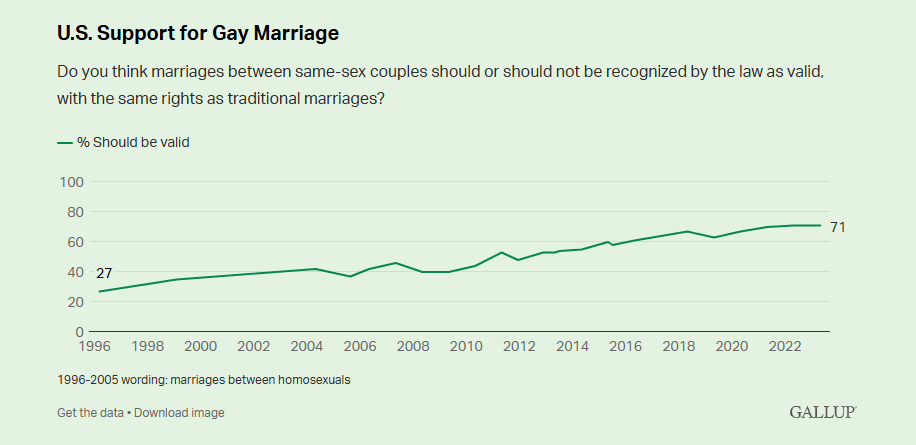
Over 70% of American Adults Feel Same Sex Marriage Should be Valid

According to a Gallop Pole in February 2023, 7.2% of American adults identified themselves as lesbian, gay, bisexual, transgender or something other than heterosexual. Additionally, overall support for same-sex marriage has steadily climbed in 2023, 71% of Americans felt same-sex marriage should be valid.
You cannot come after my guns, but it is OK for you to go after the gays!

Click Image above to view scene

I just don’t understand how some people can justify discrimination and/or hatred towards LGBTQ individuals. Being gay is not contagious nor is it limited to human behavior (see list of animals displaying homosexual behaviors). I really have no tolerance for religious or biblical arguments since the Bible is filled with contradictions and inconsistencies, so it’s easy to find something in the Bible to support just about any beliefs. One of my favorite examples is from the TV show, “The West Wing“.

Some people think LGBTQ people are morally reprehensible. Well, I think the belief that the USA should be a Christian Nationalist country is morally reprehensible. I think any religion, cult, society or club that reinforces that their members are inherently better than others, is reprehensible. However, I do accept that Christian Nationalist or even gun-carrying rednecks who hate people of color have the right to their beliefs. That is, provided they don’t act in a way that physically or mentally harms others. Although I consider myself a ‘Devout Apathetic’ when it comes to organized religion, my family background is Jewish. The Holocaust is a horrible example what can happen when discrimination against a group of people is justified.

I also hate the argument that, “We cannot allow people to be using bathrooms or locker rooms that are not consistent with their gender at birth.” I think the people who are using bathrooms for the purpose of looking at members of the opposite sex naked are most likely perverts or some type of sexual deviant, which is reprehensible.

I can understand the controversy related to Trans people playing team sports. It may be true that some people born male and are now trans-female have a competitive advantage in women’s sports. However, other than sports, I don’t know why Trans people are subjected to discrimination, especially related to their medical care. Gender-affirming care should be between the individual (and their family if they are a minor) and their doctors. It’s not the government’s place or role to interfere. They claim it’s body mutilation. So are circumcisions, piercings, and tattoos, yet the government doesn’t interfere with those personal beliefs.

It is a tough time to be an immigrant – even legal immigrants. And it’s really tough to be a legal immigrant of color.

I know the U.S. Immigration system needs reform. However, I think building new border walls is a waste of money. Tunnels, ladders, wire cutters and human ingenuity can render a wall useless. There are better ways to secure the border including increasing border patrols, drone technology, and working on the root causes for individuals and families to risk their health and safety to achieve a better life. I have seen no valid study that indicate immigrants are any more likely to commit a crime than an American citizen.

Are legal immigrants taking away American jobs? That certainly may be the case with well-educated and/or high-skilled, legal immigrants who are the most qualified applicants for a job. What company would not want to hire the most qualified candidate is they are legally allowed to work in the United States? However, Companies that hire illegal immigrants are breaking the law and they should be punished accordingly. Also, you cannot blame immigrants for jobs that are outsourced overseas. That’s an issue with the global economy, not immigration.

So, are legal immigrants taking unskilled labor jobs away from American citizens? Maybe, but I don’t think it’s anything close to the fear-mongering political rhetoric. Immigrants are taking the jobs Americans don’t want (e.g., working in the fields or very low-wage positions). Why? Because it’s still better than the situation that escaped from in their home country.

A Disgraceful Situation in Springfield, Massachusetts

I am totally appalled with the hateful dialogue and the lies about the Haitian immigrants in Springfield coming from Trump, Vance and others. The Haitians are here legally. They were not eating peoples’ pets (that story has been debunked from numerous reputable sources including Republican leaders in Springfield). The reality of the situation is that the unfounded, political rhetoric has created a huge spike in threats of violence against the Haitians including bomb-threats that closed schools and offices. Ironically, the city of Springfield has rallied in mass to support their Haitian neighbors and the Republican officials representing Springfield have stood in solidarity that they do not want Trump or Vance coming to Springfield.

Why are Racism and Discrimination Still Prevalent in America?

According to a 2020 Stanford University study1, there are seven factors that contribute to American racism. To summarize, the first 3 factors are categories that organize people in distinct groups. Categorizing people triggers (1) ingroup loyalty, (2) intergroup competition, and (3) segregation. “Simply put, the U.S. systematically constructs racial categories, places people inside of those categories and segregates people on the basis of those categories1.” The remaining four factors that contribute towards racism according to the study, are(4) hierarchy, which emboldens people to think, feel and behave in racist ways; (5) power, which legislates racism on both micro and macro levels; (6) Media, which legitimizes overrepresented and idealized representations of White Americans while marginalizing and minimizing people of color; andย (7) passivism, such that overlooking or denying the existence of racism encourages others to do the same. In short, they argue that the U.S. positions and empowers some over others, reinforces those differences through biased media, and then leaves those disparities and media in place.

1 Stanford Report June 9, 2020 (https://news.stanford.edu/stories/2020/06/seven-factors-contributing-american-racism)

How Do We Get Out of This Mess?

In my opinion, the best way to curtail inherent racism and discrimination lies with factor #7, Passivism. Bringing about systemic change in our political systems and human behavior can only occur when you have an active and involved critical mass. Consider the activism in the 1960’s that peaked after the assignations of John F. Kennedy, Martin Luther King, and Bobby Kennedy. The political unrest (and unfortunately some rioting) and the loud voice of the majority of Americans led to the removal of Jim Crow laws, ended Separate but Equal, integrated schools, and led to the Civil Rights Act of 1964. Those laws would never have come to fruition without the activism and clarity that the majority of American citizens wanted these changes.

Passivism is in play when elected officials act in ways that are inconsistent with views and opinions of the majority of the people they represent. An obvious example is the recent surge in anti-abortion laws put in place in many states. Yet, we’ve seen that every single state ballot initiative on abortion, including in some of the most conservative states like Kansas, the majority has overwhelming supported less restrictive abortion laws.

To bring about systemic change that aligns with the majority of American citizens requires charismatic political leaders, community activism, and holding elected officials accountable. Clearly that’s what’s been happening with the Abortion issue. Another example of overcoming Passivism is South Africa. For years, a white minority kept power by using fear, intimidation, legalized discrimination, and their version of Jim Crow laws. Nelson Mandela’s inspirational leadership and personal sacrifices, combined with political pressure across the globe, and a critical mass of community activism is what led to real change.

What happens if things continue on the far-right path towards Project 2025

I believe Hungary is a very realistic example of what might happen when the far right is in power. Consider what Viktor Orban has done since he became Prime Minister of Hungary in 2010 as summarized by BBC News2 in September of 2022. The European Union Parliament accused Prime Minister Viktor Orban of creating an “electoral autocracy”. The EU criticized Hungary for a host of restrictions on human rights and democratic practices, including attacks on:

  • Minorities and asylum seekers
  • The independence of judiciary
  • Press freedom
  • LGBT rights
  • Minorities and asylum seekers
  • Academic freedom

All these oppressive changes were implemented for one simple reason, which was to ensure the minority leadership remains in power! This is why I find it so frightening when Trump and other far-right politicians constantly praise Victor Orban’s leadership. Or how Trump admires dictators/autocrats like Putin, Xi Jinping, and Kim Jong Un. Autocratic leadership requires force and authoritarian policies to control the majority. This includes controlling the law enforcement, elected officials, judicial systems, the press, and education systems. History seems to indicate that over time, the will of an oppressed majority can eventually overcome – like the push for civil rights legislation in the 1960’s or the fall of the Berlin Wall in 1989. But the longer oppressive leadership is in place, the more difficult (and potentially bloody) it will be to affect change.
2 BBC https://www.bbc.com/news/world-europe-62925460

Index of Articles from the Active Mind of Dan Saltzman


At age 69, there is no doubt, this is the best time of my life!
< Click image to open article >

Our life together was great in Honey Brook, PA. Then things changed!
< Click image to open article >

Making Our (Temporary) Long-Distance Relationship Work


Calming my overactive Brain!
< Click image to open article >

Originally published in 2018, updated in 2024


Nick Foles named MVP of Super Bowl LII
< Click image to open article >

Published March 2018


Fig the Wonder Dog

Originally published January 2019, Updated Sept. 2024


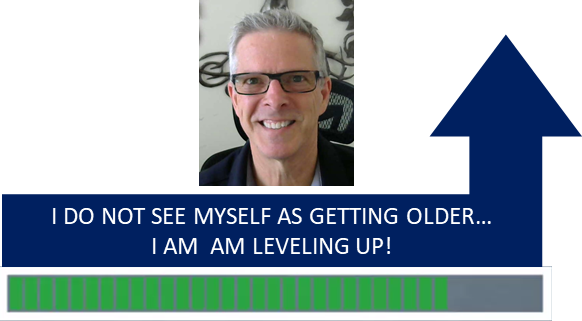
I do not see myself getting older, I am Leveling-Up!

Updated September 2024

Getting older gets a bad rap! Sometimes I do wish I knew years ago, what I know now (“Ooh La La”). Realistically, the reason I know what I know now, is from my life experiences. Looking back, I have so many wonderful experiences and memories in my life. I was also very fortunate that I never really had to worry about food insecurity, not having a comfortable place to live, or feeling unsafe. That’s quite a gift and I try to keep that in perspective. Ironically, I think I’m even more grateful for the many difficult life lessons and adversity I have faced in my lifetime. This list is long and sometimes embarrassing. It includes some mistakes in judgment, failed relationships, career hiccups, dealing with serious illnesses & loss of family members, and knowing that the consequences of some things I did or said caused others pain and sadness.

While it may seem strange for me to feel grateful for my screw-ups, mistakes and the adversity in my life, those difficult experiences enabled me to learn how handle adversity, become more emotionally mature, and more self-aware.  And as a result, this is most definitely, happiest period of my lifetime.  Getting older brings perspective.  I do not know if I will be around another 30+ years or 30 days, but I intend to make my remaining time meaningful and fulfilling as much as possible.


1. I worried way too much about what others think about me.

I sometimes laugh at my younger self, always so concerned about trying to impress others.  I now realize how I often I was probably perceived as pompous and arrogant.  I think I needed to demonstrate how smart or successful I was to hide my own insecurities.  So many times, my actions unintentionally ended up offending or alienating people who were important to me.  And if someone was upset with me, I was a mess. Truth is, I think I am happier and a better partner, colleague, friend, co-worker, parent, sibling, etc., when I am vulnerable, humble, focused more on listening actively and talking less, and concerned more with learning from others than demonstrating my own competence.

2. I spent too much time and energy looking in the rear-view mirror or worrying about what might happen.

I constantly worried and regretted about what I could have and should have done better.  I spent way too much time and energy (and not sleeping) worrying about what might happen in the future.  I am not like a well-trained Buddhist monk who has found inner peace and always lives in the now.  I struggle every day to be more present and mindful. Some days are better than others.   I have gained real confidence that no matter what life throws my way, I can deal with it.  I used to say that when I was younger, but I realize now it was arrogance compensating for my underlying insecurities.

I spent too much of my life living with unresolved guilt.  That’s not to imply that I have no regrets, no conscience, or no moral compass.  It’s just that I need to accept, learn and progress through adversity and the consequences of poor decisions and other mistakes in my life. I cannot change the past, but I can develop better personal skills to be more present and less concerned about what did happen or what might happen.

3. Good sleep hygiene is essential.

One of many gifts from my relationship with Kris is that I now have better sleep habits.  Before Kris, I was very nocturnal, my sleep patterns were inconsistent, and I rarely got a good night of sleep.  I generally never went to bed before midnight.  My very active mind (undiagnosed ADD) made it extremely difficult for me to just shut down and fall asleep. When I climbed into bed at night, even if I was tired, I was unable to turn off the brain chatter. My brain chatter was a constant barrage of random thoughts and worries that would not shut-up and let me fall asleep. I knew I had to get it under control or Kris would be banishing me to the guest room at night.

I have made a lot of progress addressing my horrendous sleep hygiene. I think learning to meditate was the most effective sleep skill I learned. I attended a class on meditation and read some great books (my favorite was ‘The Untethered Soul’ by Michael A. Singer). My improvement was gradual, no epiphany or magic bullet. In the simplest terms, I learned to avoid getting sucked into my brain chatter that I just could not shut down. The Untethered Soul provides a good analogy. When I tried to fall asleep, my brain chatter made me feel like I was trying to swim in white water rapids. Now, in most cases, I can avoid the virtual rapids by standing on the riverbank and just observing the rapids without jumping in. Today, I am generally in bed around 10 PM and most nights I can fall asleep right away – something I never thought was possible.  I wake up early and feeling more rested.  Improved sleep habits have improved my focus, productivity, and energy level.

4. Dont wait until you are over 50 to start exercising and eating healthy.

I hate exercising!  I don’t get an endorphin rush or any real pleasure when I exercise.  The only positive I feel when exercising is the satisfaction when I am done working out!   I also don’t like food discipline but, as much as possible, I am now consuming an all organic, vegetarian diet, and some wild caught seafood for protein.  I have not eaten animal meat in over10 years.  I started eating mostly vegetarian food because that is what Kris ate.  Now my perspective has changed.  I am more attuned to the cruel treatment of farm animals raised for meat.  I appreciate that I can still eat delicious meals and get plenty of protein with a vegetarian diet and it is so much better for our environment. 

As a result of my relatively new lifestyle, I am in better shape, feel healthier and I have more energy than I did 20 years ago.  Additionally, I feel I am making a good investment now, so my more senior years will be “less-senior!”  I am glad that both my daughters work out diligently multiple times per week.  I wish I was doing the same when I was their age.

5. Do not let Attention Deficit Disorder (ADD) go undiagnosed.

I always seemed to have the attention span of a gnat.  I was easily distracted, frequently interrupting conversations, unable to truly listen without my mind wandering, or just be present.  This was my normal and I was very unaware of how it impacted my relationships, work, and comprehension.  Better late than never, I finally took action when I could see my ADD behaviors were really damaging my relationship with Kris.  She is probably the most patient and focused listener I ever met. She carefully organizes her thoughts before speaking. I tend to think out loud. Kris often felt like I was not interested in what she had to say, because I was so easily distracted and not actively listening. I think I have the situation under better control now thanks to some training in mindfulness and mediation and an Adderall prescription.  There are still too many squirrels that will distract me in the middle of a conversation and my racing brain can frequently get stuck in overdrive.  However, understanding my ADD and using my coping mechanisms have helped me so much. 

“Ooh La La”, I wish I knew this I was younger.

6. Live with gratitude! 

When I was more youthful, I invested too much time and energy worrying about what I did not have and believing that more wealth and status equated to more happiness.  I have learned that gratitude is my foundation for feeling happy. I feel incredibly grateful for the life I have now.   I am so thankful for the life Kris and I share together.  I am grateful that we have helped each other to be more self-aware and better partners for each other.  I am fortunate I can afford to be retired, assuming I will avoid or significantly delay any unanticipated major medical catastrophes.  I am blessed to have two amazing daughters who are both happily married, smart, capable, independent, and hard-working adults. In fact, I have a truly amazing immediate and extended family. I am so fortunate that pretty much across the board, my family members are intelligent, fun, incredibly accomplished, and living purposeful lives. A gift of getting older is that I am learning to use my gratitude as an awesome coping mechanism when bad things could happen or do happen.


Leave a comment


Making Our (Temporary) Long Distance Relationship Work

  1. Why we are in a long-distance relationship.
  2. Six strategies that are enabling our long-distance relationship to work.
    1. Focus on being mindful and present when we talk each day. 
    2. Find ways to reduce the cost of spending time together.
    3. Celebrate when we are together.
    4. Take care of our Mental & Physical Health.
    5. Embrace Our Independence.
    6. Appreciate the greater good.
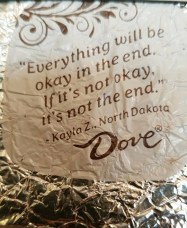
  3. It will be OK in the end. If it’s not OK, it’s not the end.

Kris Chiappa and I are about to celebrate our 10-year anniversary as committed partners.  We met in 2014, fell in love, and bought a house together in Honey Brook, PA in late 2016.  Life was great!  We love our house and our life together.  We had been thinking about moving to the Pacific Northwest at some point after I retired (which occurred in 2023), but we did not have a specific time frame.   However, everything changed in early 2018 when Kris got a call from her daughter, Joanna who lives in Washington, State.  โ€œGuess what mom, I am pregnant.โ€  And about a month later, another call, โ€œGuess what mom, Manny and I are having twins!โ€  Krisโ€™s twin granddaughters were quite premature and spent their first 6 weeks in the NICU.  Fortunately, they are healthy, happy and intelligent girls.

Maya and Jade

Kris is needed in North Tacoma.
It takes a village to raise twins and especially when childcare for twins is unaffordable.  For a variety of reasons, it has ended up that Kris is now โ€œthe Nanny in chargeโ€ and has pretty much set up residence in the guest room of her daughterโ€™s house in N. Tacoma, Washington.  Not an ideal living situation for Kris to give up her comfy Honey Brook lifestyle as well as the convenience and privacy of living in her own home.  We did ship a car and Krisโ€™s horse, Odin out to Tacoma which enabled Kris to have more independence and opportunities to spend rejuvenating time outside her daughterโ€™s house working with Odin, hiking, and socializing with her new West Coast friends. 

I am needed in Pennsylvania.
We will eventually sell our house in Honey Brook and find a place in the Pacific Northwest, but just not yet. I have my own family challenges on the East Coast.  In 2021, it became clear that my 95-year-old father and his wife, Janet were no longer able to live in the large house they owned since 1983.  It took a lot of time, patience, persistence by my siblings and me to convince them it was time to move to a continuous care community.  I will spare the details of what that effort required although I could write a book about it all. 

My Dad and Janet

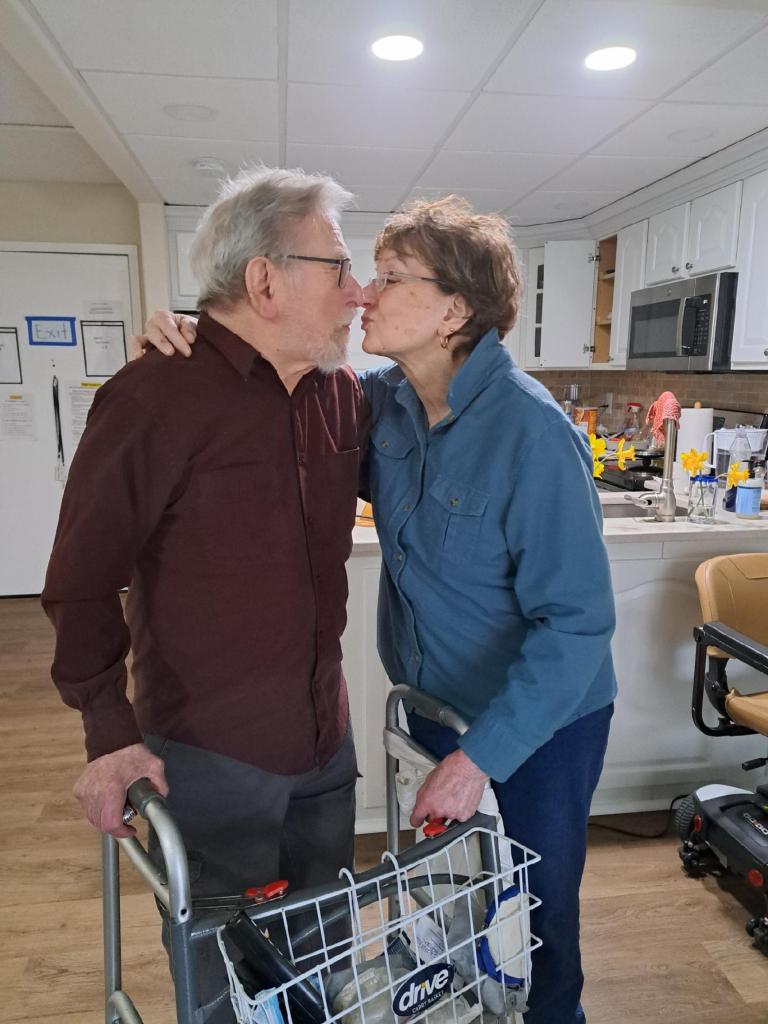
My dad, now 98, is no longer ambulatory other than very short distances with a walker.  Fortunately, he is still all there mentally and still amazes me with his ability to recall from memory all the phone numbers of the important people in his life as well as his credit card numbers.  I cannot do that!  Unfortunately, Janet is entering the latter stages of Alzheimer’s which has her both physically and mentally impaired. Consequently, they are both in the high-maintenance stage of geriatric care.  I am grateful my siblings all pitch in and we divide up the work to manage finances, healthcare, transportation and shopping.  I make the 1-hour trip to their facility 1-2 times per week plus numerous times Iโ€™ve had to dash over to get one of them to urgent care.

Family comes first.
Kris could not live with herself if she was not present to support her daughter and granddaughters in N. Tacoma.  And I could not live with myself if I decided to move to the west coast now, while my dad and Janet are in such a high-maintenance, geriatric situation.  Kris and I understand and support each otherโ€™s decision to be where our respective families most need us.  We committed to making this less-than-ideal situation work. 


1. Focus on being mindful and present when we talk each day. 

While we are on opposite coasts, Kris and I generally have very busy days.  We occasionally text each other to check in, but we both look forward to our nightly phone call.  That call keeps us connected and itโ€™s the best part of my day.  Talking once a day creates a different dynamic compared to the convenience of ongoing conversations when are both in the same venue. We are mindful that our nightly call is the one daily opportunity to really feel connected. 

When Kris and I talk each night, we are both alone and try to avoid distractions from our phones or TVs. We are 100% focused on each other.   I love feeling how we are both present and truly interested in hearing about each otherโ€™s day.  More importantly, our conversations feel very meaningful.  Some days we donโ€™t have much to discuss, but most days we seem to delve into some interesting and deep discussions.  Our conversations may last less than 30 minutes or over two hours.  Regardless of the duration, our nightly calls rejuvenate and inspire me. We generally talk just before I get ready for bed, so when our call ends, I feel my day is complete.

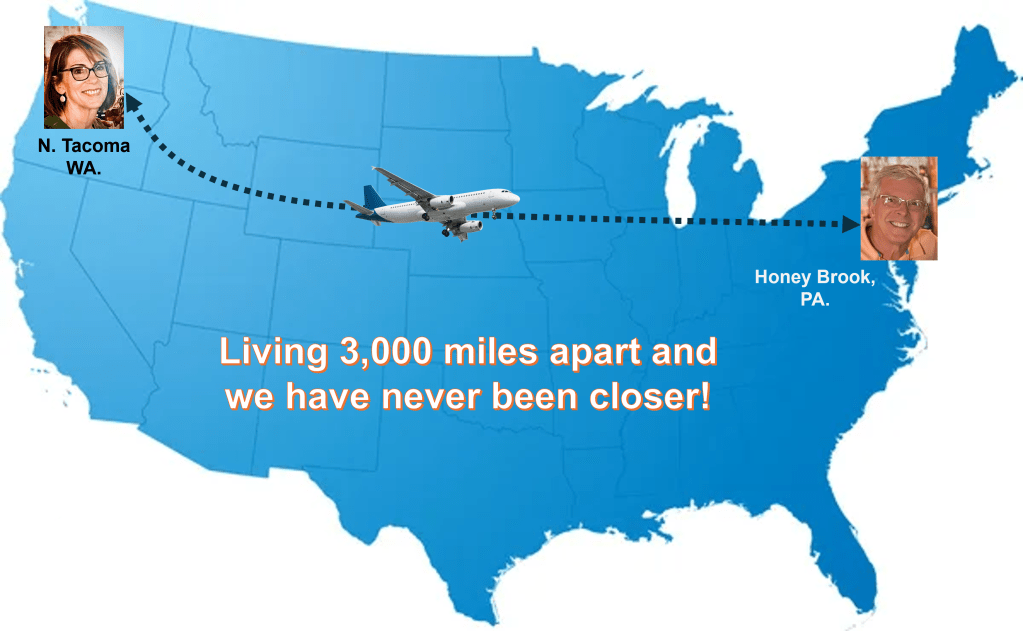
Finally, Kris and I always end each call by telling each other, โ€œI love you and I miss you!โ€.  What is truly powerful is that itโ€™s not just words.  We both state it with intention, and I can feel the love, even if we are 3,000 miles apart most of the time.


2. Find ways to reduce the cost of spending time together.

Spending time together is not easy when we are on opposite coasts. When either of us travels, it can be disruptive for the family members we help care for (plus expensive to fly across the county).  Our goal is to never be apart for more than 2 months (generally less).   We try to follow the guidelines below to best manage our budget and family impact: 

  • We try to plan our get togethers well in advance to get the best airfares and to enable our family members plenty of advanced notice to plan alternative childcare/eldercare while we are away.   Generally, we have our travel plans booked at least 6-12 months into the future.
  • As much as possible, we try to schedule our travel to minimize the impact upon our respective family.  For example, I traveled to Tacoma when Krisโ€™s granddaughters were on Spring Break and Manny, the twinsโ€™ dad, was traveling to Mexico with his family. I could help watch the twins and Kris could spend time with her horse during the day vs. rushing to the farm after her daughter finishes work.
  • We look for bargains and discounts to save money.  For example, Kris signed up for an Alaska Airlines credit card that gave her 75,000 free miles.   We can get round trip airfare between Philly and Seattle for under $500 by booking well in advance.

3. Celebrate when we are together.

When Kris and I do get together, we try to find activities that we both enjoy, facilitate meaningful conversations and nurture our relationship.  We try to plan special events with each trip to make them more memorable. 

Some examples:

  • We have a tradition to go out to a nice, romantic dinner on the last night we will be together.
  • We generally arrange to hike together every day we are together (weather permitting). We both love to hike, and a good hike invigorates us.
  • On my last trip to N. Tacoma, Kris surprised me with a Memorial Day weekend escape to Bellingham, Washington and the San Juan Islands. 
  • Spend quality time with our family and close friends that we donโ€™t see regularly.  Whenever I am in Tacoma, we try to get tother for dinner with some great friends who live nearby in Lacey.   We may drive a few hours to spend a weekend with Krisโ€™s sister & family in Vancouver, WA.  We recently had a fantastic vacation with two good friends at VRBO house in Santa Fe, NM.  In September, Kris and I will meet at my sisterโ€™s house in Scottsdale, AZ.    In October, we are planning a special weekend with Krisโ€™s family in the Columbia River Valley for a weekend music and wine festival.  When Kris is in Honey Brook from mid-December into January, we will celebrate Christmas with my family then travel to the Outer Banks for a relaxing week with Krisโ€™s siblings at a beautiful house on the beach.
  • When we are together, we try to provide some relief and support for each other.  When in Tacoma, I will encourage Kris to go work with her horse, Odin in the middle of the day and let me watch the kids.  When Iโ€™m not in Tacoma, Kris must rush to the farm as soon as her daughter finishes work to squeeze in as much time as possible to work with Odin and take a hike, before itโ€™s too dark. When Kris is in Honey Brook, she always asks spends time with my family in the Philly area, especially quality time with my father and his wife at their assisted living community. 

4. Take care of our Mental & Physical Health.

Being apart more than together, it could be easy to get depressed, lonely, or angry with our situation.  Kris and I work on activities to help with our self-care. 

  • Having a pet helps.  Several months ago, Kris adopted Alfie, a tiny, intelligent dog who lives with her in N. Tacoma. I have my lovable and very energic dog, Baxter and two cats with me in Honey Brook.  We both take our dogs on a daily hike, and they provide great companionship.  Alfie is small enough to travel under the seat on airplane fights and accompanies Kris on almost all her trips   
  • Building and maintaining friendships is also crucial for both of us. Kris has a few new and meaningful friendships out West who share similar interests.  Kris has a very close friend named Susan.  They both have a rescue dog and love to hike.  Generally, 5 days per week, Kris and Susan (and their dogs) go on a hike together at various great venues near Odinโ€™s farm.   Greg and Sally own the farm where Kris boards Odin.  They are incredibly nice and treat Kris & Odin like family.  My 2 daughters, both married, live near me.  I also arrange regular meals out with some friends in my neighborhood and long-time friends in the area.
  • Kris takes Pilates classes 2-3 times per week.

5. Embrace Our Independence.

Kris and I enjoy a strong emotional connection, but we both need and appreciate our independence and alone time.  Our core values and priorities are very well aligned even though we have very different personalities styles.  Iโ€™m an extrovert, Kris is an introvert.  Kris can be highly sensitive; I can be oblivious.  Kris is patient, a great listener and very introspective.  She will rarely speak without carefully considering exactly what she wants to say and when she wants to say it. I’m less patient.  I have ADD. I am a verbal processor (I tend to think out loud), and I can be too quick to react to a situation.  Bottom line, if we were together all the time, we would probably drive each other crazy. Fortunately, we have learned to appreciate that our differences have helped both of us grow, become more self-aware, and expand outside our traditional comfort zones.  This is probably a topic for a future blog.

Another advantage (for me) living alone most of the time is that I appreciate some selfish time.  I like being an occasional slacker! If I donโ€™t feel like cleaning the kitchen right away, or getting dressed, or making the bed, or taking my daily shower, it is only impacting me (I donโ€™t think it impacts my pets). 

Even when Kris and I are together, we both need some independent time.  We both want some โ€œme timeโ€ to do our own thing.  I may want to watch a ballgame or an action hero movie on TV (Kris is not into sports or violent movies), research investment opportunities, update my financial plan for retirement, or learn about some new technology trends.  Kris may want to watch โ€œCall the Midwifeโ€ or โ€œThe Queenโ€, knit, read a book that is of no interest to me, or spend hours with her horse.   Taking some โ€œme timeโ€ when done respectfully, helps us enjoy and appreciate our together time even more.


6. Appreciate the greater good.

As mentioned previously, our situation is not ideal, and it will likely continue this way for likely another year or two or maybe three.  We have been in this situation for 6 years already!  I know, when the time comes, a move to the West Coast will not be easy for me.  I love our house and neighborhood in Honey Brook.  Most of my immediate family are on the East coast including my two daughters.  However, I also know I am happiest when Kris and I are together.  I want to live with her all the time.   A key strategy to help us cope with being apart for all this time, is to remain mindful of all our reasons to be grateful and to acknowledge that supporting our families provides a sense of purpose and rewards that feed the sole.

Here are some examples of reasons we feel grateful:

  • Kris gets to be an integral part of raising her granddaughters.  She has been there watching them grow from very premature, at-risk twins in the NICU and now they are ready to enter kindergarten. There are many studies that show that seniors who get to be with their grandchildren regularly are generally happier.  
  • We like supporting Krisโ€™s daughter and her family.  The twinsโ€™ parents both work very hard in full-time jobs and it requires both incomes to afford their living expenses including mortgage, food, and all the other living expenses to support a family of four.  Decent daycare is ridiculously expensive for pre-school twins. And, even the best daycare centers could not come close to matching the quality of childcare and focused attention they get from Kris.
  • Krisโ€™s family and my family always express their gratitude for our support.  Pretty much in every encounter, our families will thank us and demonstrate true appreciation for our support.  Their gratitude certainly helps motivate us and make our sacrifices more rewarding.
     
  • I am spending the most time, high-quality time, that Iโ€™ve ever spent as an adult with my father.  How amazing is it to have a 98-year-old father who is fully with-it?   My dad is grateful for our time together and we both look forward to our next get together.  While there is always a list of things I need to do to help him, he also has so many interesting stories and perspectives to share.  He was a kid during the depression, remembers hearing about Pearl Harbor on the radio, served in WWII, had a long and successful career as a Physics-Engineer that included traveling all over the globe, and maintains a perpetual smile despite more adversity in his life than most.   I also appreciate that he still adores his wife, Janet despite her Alzheimerโ€™s and he is incredibly patient and supportive of her.
  • Kris and I have so much to look forward to. We are both retired.  We are healthy and we both feel much younger than our biological ages.  We live an active lifestyle and while we are not rich, we have no debt.  We live within our means, can pay our bills on time, and we donโ€™t worry about food insecurity or access to healthcare.  Lucky us!
  • Kris and I know we are doing whatโ€™s best for our respective families.  We know this is not forever.  And while we are in this situation, we know we will always be there for each other, even if 3,000 miles away.  Simply stated, I am so grateful to have Kris in my life and I know she feels the same about me. Again, Lucky us!

When my situation changes, I will move to the West Coast. This has been our plan for a long time. It will not be an easy move for me. Selling a home is always stressful. I don’t like moving so far away from my two daughters and friends on the East Coast. But, when I am with Kris, I am in my happiest state of mind. Fortunately, the current state of technology makes it easier to stay in touch and connected to family and friends despite the geographic distance apart.

The move will change the dynamic of how I spend times with my family and friends on the East Coast. Currently, I meet with my family, it’s usually short and casual visits. After I move and travel to visit family on East Coast (or vice versa), our time together will be much more intentional and focused.

Probably the ultimate irony might be that soon after I move, one of my daughters will decide to have children. If so, I will be spending a lot of time on the East Coast. And that is ok. Kris and I both know how to handle it!

One response to “Making Our (Temporary) Long Distance Relationship Work”

  1. Linda Kinsley Avatar
    Linda Kinsley

    This blog is so uplifting especially in todayโ€™s world. To read about 2 people who you know personally but not at this level. What a beautiful story, what an incredible gameplan & what a contented way to live life. Such positivity is such a breath of fresh air. Thanks for sharing how to live life in a healthy positive & energetic way. God Bless you both as you enjoy years & years together

    Like

Leave a comment


Featured

The Employee Impact When Private Equity Acquires Your Company


  1. A quick definition of Private Equity
  2. Private Equity is Huge!
  3. Why is Private Equity Dominating
  4. Growth Equity vs. Private Equity
  5. What to expect when Private Equity takes over your company
  6. How Private Equity Transforms Your Business
  7. What it takes to survive and thrive in a P/E owned business

A quick definition of Private Equity

Private equity (P/E) is money raised through investment partnerships that is used to buy and manage companies before selling them. Private equity firms raise pools of capital from institutional and accredited investors (often supplemented with debt) to form a private equity fund. Once theyโ€™ve hit their fundraising goal, they close the fund and invest that capital into promising companies.

Unlike venture capital, most private equity firms and funds invest in mature companies rather than start-ups. They manage their portfolio companies to increase their worth or to extract value before exiting the investment, typically in a 5 – 7 year time frame. When a P/E firm sells one of its portfolio companies to another company or investor, the firm expects to make a profit and distributes returns to the limited partners that invested in its fund.


Private Equity is Huge!

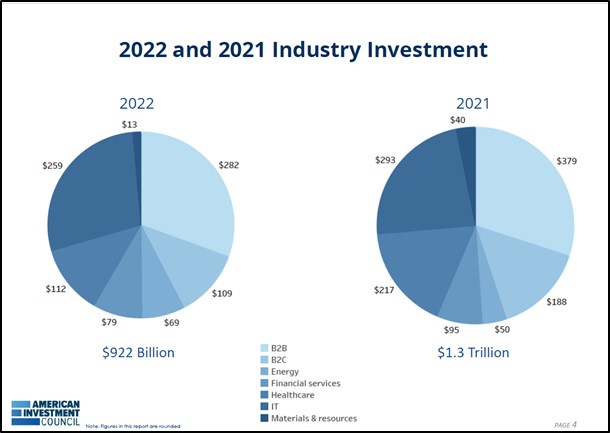
Over the past two decades, the exponential growth of Private Equity (P/E) investments in businesses has changed how businesses operate and the job market.  American Investment Council (AIC), a private equity lobby, estimated that private equity funds invested approximately $1.3 trillion across a number of industry sectors in 2021 and $922 billion in 2022, with approximately 2/3 invested in three sectors, Information Technology, B2B, and B2C.  Additionally, the AIC PE Economic Contribution Report FINAL 04-20-2023  states that the U.S. Private Equity sector comprised approximately 6.5% of the U.S. GDP in 2022.

PRIVATE EQUITY INVESTMENTS.  American Investment Council 2022 Trends (https://www.investmentcouncil.org/research/

According to AIC, The US private equity sector provides employment and earnings for millions of workers. Overall, in 2022, the US private equity sector directly employed 12 million workers earning $1 trillion in wages and benefits.1 The average US private equity sector worker earned approximately $80,000 in wages and benefits in 2022. For a full-time worker this is approximately $41 per hour.2 The median full-time US private equity sector worker earned approximately $50,000 in 2022.3   

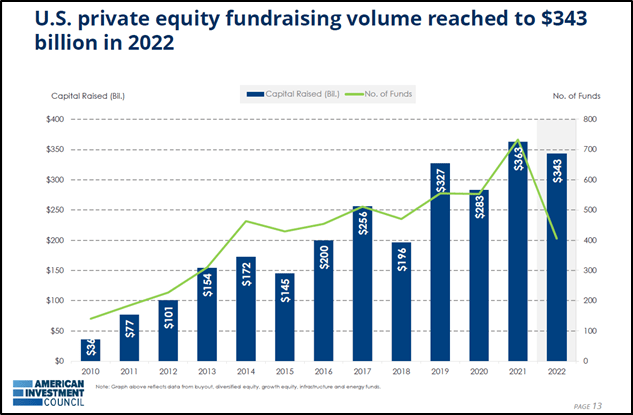
The trend toward expanding P/E business ownership is likely to continue based on the P/E fund raising trends shown below:

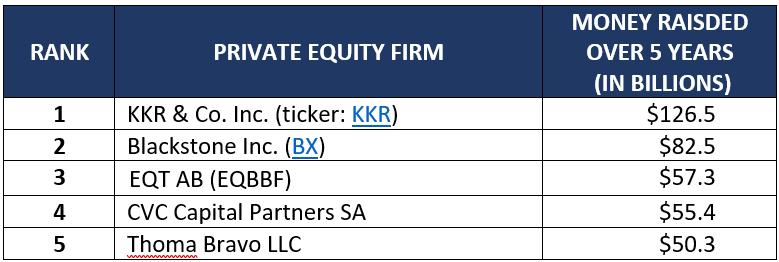
According to a 2022 US News & World Report study, these are the 5 largest PE firms and each has raised over $50 billion in the previous 5 years:

Source:  https://money.usnews.com/investing/slideshows/largest-private-equity-firms

Why is Private Equity Dominating

P/E firms use effective business strategies to minimize downside risks, guarantee steady cash flow, and potentially achieve huge returns on their investments.  A Private Equity executive once told me that if they invest in 10 businesses, they expect to break-even or make a small return across the bottom 5 businesses, achieve a 10-20% ROI on 3, and hit a home run on the top two businesses.   They can achieve these results because they have proven business models, provide business and technical expertise, leverage economies of scale, can fund acquisitions to increase market share, receive management fees from their portfolio companies to cover interest on debt, and ultimately earn a potential windfall when they sell a business, take it public, or bring in additional investors.    


Growth Equity vs. Private Equity

When Private Equity invests in a business, it’s important to know if it considered a Growth Equity  or Private Equity investmentGrowth Equity is an investment strategy oriented around acquiring minority stakes in late-stage companies exhibiting high growth with significant upside potential in expansion, in an effort to fund their plans for continued expansion.  Often referred to as โ€œgrowth capitalโ€ or โ€œexpansion capitalโ€, growth equity firms seek to invest in companies with established business models and repeatable customer acquisition strategies4.

A more traditional Private Equity investment is more like an acquisition or leveraged buyout of a company where the P/E firm acquires full ownership or majority ownership. Private Equity investments target businesses with stable profitability and cash flow, so they can support debt repayment. These are typically more mature businesses that may be undervalued, financially constrained, or mismanaged. The strategy is to implement “Command and Control” leadership to improve operational efficiency, reduce costs and improve EBITDA.

As an example of a traditional private equity investment, a P/E firm purchases majority ownership of a cloud company that has a very “sticky” product such as an ERP suite.  The P/E investors know that some cutbacks on innovation and quality of services will not impact revenue in the short term.   Even if their customers are not very satisfied with their products and services, itโ€™s not easy for them to jump ship and it will take a long time.  Customers may have multi-year contract commitments, or a huge investment is required to purchase and implement a competitive solution. The P/E firm can cut expenses (primarily through reductions in staff), provide just the essential product enhancements and maintenance services, and do the try to retain customers as long as possible.  In 3-5 years, they expect the company will be more profitable than ever, which will drive up valuation and then they can sell out.


What to expect when Private Equity takes over your company

Iโ€™ve worked for five Cloud/SaaS businesses that were primarily owned by P/E firms.  Two companies were acquired by PE firms while I worked there and three were already P/E owned when I was hired.  I have not directly invested in any P/E funds, so this blog really is about my experiences as an employee at various levels of a business that becomes majority owned by a P/E firm(s). 

When a P/E firm purchases majority ownership, itโ€™s generally promoted as a very positive change to the business.  And in many ways, it is.  Founders and those with equity in acquired business get a payout.  When the transaction takes place, the investment generally provides a much-needed influx of cash, new board members, new executive leadership, and a tremendous network of business, technical, financial, and market expertise that opens doors and creates new growth opportunities.  Employees will learn how the P/E team will introduce proven methodology, technology, and expertise that will bring new levels of business maturity and capability to scale for rapid growth.  It can be an exciting time. 

From an employee perspective, the hardest thing about being acquired by P/E is that there will likely be a reduction in staff (layoffs) announced with the acquisition. The magnitude of the layoff is probably tied to the financial health of the business, expectations for improved operational efficiencies, and the need to cover the management fees the P/E firms draw from the business. 

Employees at P/E owned businesses generally have very little or no opportunity to receive equity (e.g. stock options) of any significant value.  That is because P/E firms are obligated to their investors.  With the risk they take buying majority ownership of the business, their primary goal is to maximize the return for their investors. Consequently, there really is very little equity remaining to share with the workforce.  So, unless you are an executive of the acquired company, do not expect any stock options, they just arenโ€™t available.


How Private Equity Transforms Your Business

In every P/E transaction I have experienced (all where the P/E firm was majority owner), within the first year, the majority of C-Level and V-Level leaders in the company will be replaced or move on. The CEO and key founders of the business typically are replaced very quickly, often at the time of acquisition. However, they may remain involved as advisors for a transitional period of time.  It sounds harsh, but it makes sense in many ways.  P/E firms will bring in their own proven leaders who understand their business model and who are not caught up in paradigms from the past business strategy.  New leaders often recruit proven leaders from their previous experience, and they will rapidly enforce changes that will require their staff to think and act differently.  As an employee in a P/E acquired firm, you quickly realize that past success really doesnโ€™t matter to the new leadership.

The biggest change will be an unyielding and razor-sharp focus on Key Performance Indicators, especially top-line revenue growth and bottom-line earnings (EBITDA).  P/E firms will provide a transition period for new leadership to assimilate and re-calibrate the business model and forecast.  But, in the end, itโ€™s all about making your numbers.  You can expect the P/E firm to have very high expectations for the business.  They will provide expertise and guidance, and other resources to help support the leadership team.   The P/E firm wants your business to be wildly successful.  All will be wonderful as long as your company is hitting the key performance targets established by the P/E firm. However, the honeymoon ends if the business falls short of their performance expectations.

If your business misses the P/E firm’s revenue goals or EBITDA targets, they will cut headcount, eliminate perks, and implement tighter controls on expenses.   In these situations, expect some Darwinism across the workforce and more extensive use of lower cost resources wherever possible, including sourcing work overseas.  There is little tolerance or patience for missing financial targets.


What it takes to survive and thrive in a P/E owned business

1.   Accept that past success guarantees nothing. 

If you are truly a highly valued employee, you might get a retention bonus for sticking around for a year after the acquisition.  Most likely, youโ€™ll be grateful if you still have a job post-acquisition, and you will need to prove your value to the business just like you are a new hire.

2.  Be part of the solution, not part of the problem.

I can honestly state in my past, I had trouble getting on-board with the new direction and leadership after P/E took over.  You cannot hide it and as a result, I decided to move on, or I was told to move on.

Be open to change.  Sticking to โ€œweโ€™ve always done it this wayโ€ is generally fatal.  P/E will bring new processes, stricter controls, and different leadership styles. Focus on the skills and solutions you can provide to support the direction and goals stated by the new leadership.  You need to be perceived as a willing adopter and flexible.

3.  Avoid the “they just do not understand our business” trap.

Recognize that the new policies, process controls, and organizational changes may seem unrealistic or doomed to fail.  It can be very frustrating when new ownership doesnโ€™t appear to understand that you had good reasons for managing aspects of your business as you did.  The new leadership may seem indifferent that their changes will have a negative impact on client satisfaction. That’s not true.  Their ultimate goal is to get the organization streamlined and thinking differently.  They want the workforce to improve operational efficiency without sacrificing quality.  If you feel it is necessary to address concerns with changes to staffing, processes, or policies that will negatively impact customer and/or employee satisfaction, be sure to support your cause with facts and data. Focus on how you can influence the best outcomes within the new constraints. 

The new leadership does not want your company to fail or for their employees to fail.  They want results!   They want you to focus on how your actions and priorities align with the ultimate end game for the P/E firm, which is maximizing the ROI for their investors. 

4. Maintain a Positive Attitude.

When one of my former employers was acquired by P/E, I know I fell short in the attitude category.  I had my reasons such as having to sign a ridiculously restrictive non-compete agreement, not feeling appreciated for my past accomplishments, and especially because I did not like my new manager.  I was fortunate to find a new job and resigned, just before the posse arrived.  About 2 years after I joined another company, it was acquired by Private Equity.  My role changed (not by my choice) and I did not fit well into their new business model.  The posse did find me about 6 months after the acquisition and my position was eliminated.

A key lesson I learned is that my whining didnโ€™t accomplish anything.  I thought I was professionally discreet dealing my dissatisfaction, but in hindsight, my attitude did not help me and I probably was a negative influence on my colleagues.


Footnotes:

1   All numbers are prorated to account for cases where private equity owns less than 100% of a company. (AIC Economic Contribution Report FINAL 4-20-2023)

2   This $80,000 is computed prior to rounding the wages and benefits and employment estimates. In particular, the $1 trillion of wages and benefits is approximately $961 billion and 12 million employees is approximately 11.957 million employees (AIC Economic Contribution Report FINAL 4-20-2023)

3   By comparison, the comparable median wage for the US economy is approximately $50,000 and comparable average wage is approximately $73,000. See report for more detail. (AIC Economic Contribution Report FINAL 4-20-2023)

4   Wall Street Prep website: https://www.wallstreetprep.com/knowledge/growth-equity-guide


Please share your feedback and suggestions

Thanks for your input!

Go back

Your message has been sent

Warning
Warning
Warning
Warning
Warning.

Featured

Politics in the USA – Clowns to the Left of Me, Jokers to the Right

The Silent Majority is Stuck in the Middle Again!

The Silent Majority is too Silent!

Silence is Not Golden

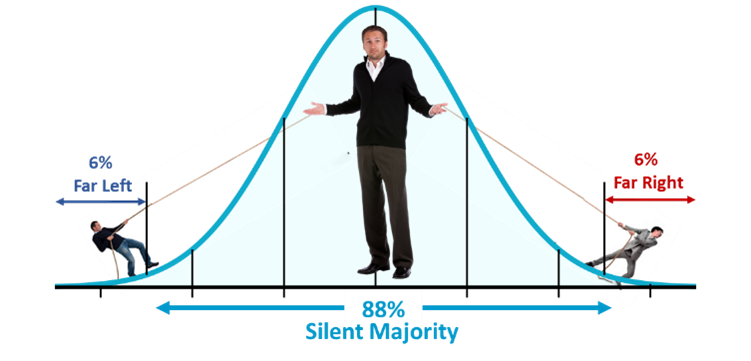
I think it would be very difficult to find any U.S. citizens who are even a little satisfied with our current divisive political climate.   About 49 of 435 House of Representative members (11.2%) are part of the far-right Freedom Caucus1 and according to Pew Research, the far-right represents only 6% of U.S. voters2.  About 100 U.S. Representatives (just under 23%) are members of the far-left Progressive Caucus3 advocating for more government support for economic, political, and social democracy.  Pew Research also estimated 6% of all voters align with the far left4.  Assuming these statistics are reasonably accurate, then 88% of voters are somewhere in the middle.  Richard Nixon called this grouping, โ€œThe Silent Majority!โ€ I never liked Nixon, but I think the Silent Majority is an excellent way to categorize voters like me, who fall somewhere in the middle.

How Can the Largest Group of Voters be Silent?

In my opinion, there are five primary reasons that keep the majority silent:

  1. The two extremes are clearly the most passionate and well-funded factions of their respective political parties.  They are the most effective at getting their message out. They relentlessly bombard news and social media.   Leaders of the two extremes have the loudest (and most obnoxious) voices and effectively use fear to influence their audience.
  1. The two extremes are the most intolerant and donโ€™t believe compromise is an acceptable option.   They would rather blame and vilify anyone with opposing views rather than collaborate and engage in respectful dialogue with opposing viewpoints.  In a closely divided congress, they hold just enough members to obstruct any legislation they donโ€™t like. Big money has corrupted politicians and eroded trust in elections.  We are in an era of sound-bite politics with the where a small and often obnoxious group of congressional talking heads who strategically position key issues as strictly binary choices. 
  2. The two extremes have mastered manipulation of facts, deception, and outright lyng to achieve their goals. It seems when persistently telling a lie or manipulating the truth, it creates a perception that it must be true. An obvious example is all the claims that the 2020 election was stolen with massive fraud.  The extremes leverage media networks such as FOX, CNN, MSNBC, NewsMAX, etc., along with online news and social media sources that are not objective, do not adequately fact check, and play to a loyal base.

    From 1954 until 1987, the media was regulated by the Fairness Doctrine5. This was put in place when congress was concerned that the 3 major broadcast networks (ABC, CBS, & NBC) might abouse their monopoly control to promote biased agendas. The Fairness Doctrine was repealed in 1987 by the Reagan administration. It not surprising whenever Fox News has been in litigation for misrepesenting facts, they deliberately refer to themselves as “entertainment”, vs. a news station. Without the Fairness doctrine, there is no requirement for the media to be factually accurate or unbiased. Therefore, the burden is on their audience to determine where the truth lies (pun intended).
  1. Common sense isn’t so common. Stated another way, too many voters are not capable or not interested in applying critical thinking skills. The extremes effectively use innuendo, half-truths, manipulation of facts and fear-mongering to fire up their base. It is effective because their respective core voters see or hear a gripping headline from their trusted sources and/or “talking heads”, and it’s blindly accepted as fact. I think it’s effective because the loyal base of voters must be very gullable or they cannot/will not accept there are other perspectives to consider.
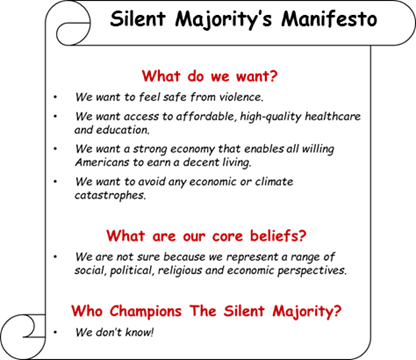
  2. There are no effective leaders representing the 88% of voters in the Silent Majority. This is not surprising considering the 88% represent a diversity of viewpoints on key political topics such as abortion, gun control, government services, tax policies, environmental policies, DEI (Diversity, Equity & Inclusion), etc.

Probably, the points above are not new or surprising. I suspect most voters will agree that our political process is broken (or breaking down) and needs to change.  I am very worried about the consequences of inaction.   For example, letโ€™s assume Trump and Biden are the candidates in the 2024 presidential election. What will happen if Biden wins another close election, or if Trump wins by a close margin?   Either outcome can easily lead to civil unrest, violence, rioting, and even more political divisiveness.


The confusion of the Silent Majority

What Can Be Done to Fix a Broken Political Process?

I wish I knew!  I do think there may be some options worth exploring which are outlined below.  I admit these are generalized examples and itโ€™s easy to dismiss each as too simplistic, unrealistic or silly.  But, at some point, there has to be an end game, a defined goal.  Without and end in mind, we will never make any progress.   

  • Leverage a Purple Platform to Neutralize Binary Majority/Minority Parties. Can we move away from our strict red and blue two-party political system? If no party has a majority of congress, getting anything done would require cooperation and collaboration across the aisle or aisles.  What a novel idea. However, if moving away from the two party model is not feasible, then maybe we should promote a “Purple Platform.”
  • A Purple Platform – Winston Churchill famously said, โ€œDemocracy is the worst form of government, except for all the others.โ€ In the political spectrum, the voices of the far-right trends towards Libertarianism, advocating for the least amount of government intervention and oversight possible.  The far-left trends towards social democracy where government services and regulations are necessary to protect individual liberties, prevent business malfeasance (corruption, pollution, unfair labor practices, etc.), and to ensure Diversity, Equity and Inclusion is used to help level the playing field, and provide accessible healthcare.

    My hope is that our elected officials will finally accept that the 88% of the population that lands somewhere in the middle are alienated by both extremes.  In my opinion, the far right and Libertarianism seems too harsh and lacks sufficient oversight & safety nets that can make us all vulnerable to financial, environmental, health, and public safety catastrophes.  At the other end, Progressive liberalism (far-left) seems too expensive and bureaucratic and can blur the line between a helping hand and a hand-out.  Iโ€™d like to see a third caucus, โ€œThe Moderate Caucusโ€. The Moderate Caucus can establish a platform around centralist policies, civility, and collaboration. If it can establish a large block of bi-partisan representatives, it has the power to reject blind party loyalty and can attract political support and funding. Perhaps the Moderate Caucus could help neutralize the extremes and eliminate politicians from being indebted to extreme big-dollar donors in order to get elected.
  • Establish a Credible Fact-Checking Process. Can we establish an independent fact-checking organization that goes well beyond what Snopes (www.snopes.com) or Factcheck.org can offer? I think it would be fantastic to have access to clear and concise information covering all viewpoints on key issues that is supported with validated facts and data. Ideally, the fact checking process includes active participation and an endorsement from all major political parties? Hard to imagine this happening but, maybe itโ€™s in the art of possible.

Footnotes:

1    Pew Research Center (https://www.pewresearch.org/short-reads/2023/01/23/freedom-caucus-likely-to-play-a-bigger-role-in-new-gop-led-house-so-who-are-they/)

2    Fortune (https://fortune.com/2018/10/22/far-right-americans-just-six-person-study-says/)

3  Progressive Caucus Members (https://progressives.house.gov/caucus-members)

4  Beyond Red vs. Blue: The political Typology (https://www.pewresearch.org/politics/2021/11/09/beyond-red-vs-blue-the-political-typology-2/)

5 Fairness Doctrine (https://www.reaganlibrary.gov/archives/topic-guide/fairness-doctrine)


Leave a comment

Fig the Wonder Dog and the Village that May Have Saved His Life!

MEET FIG

fig.

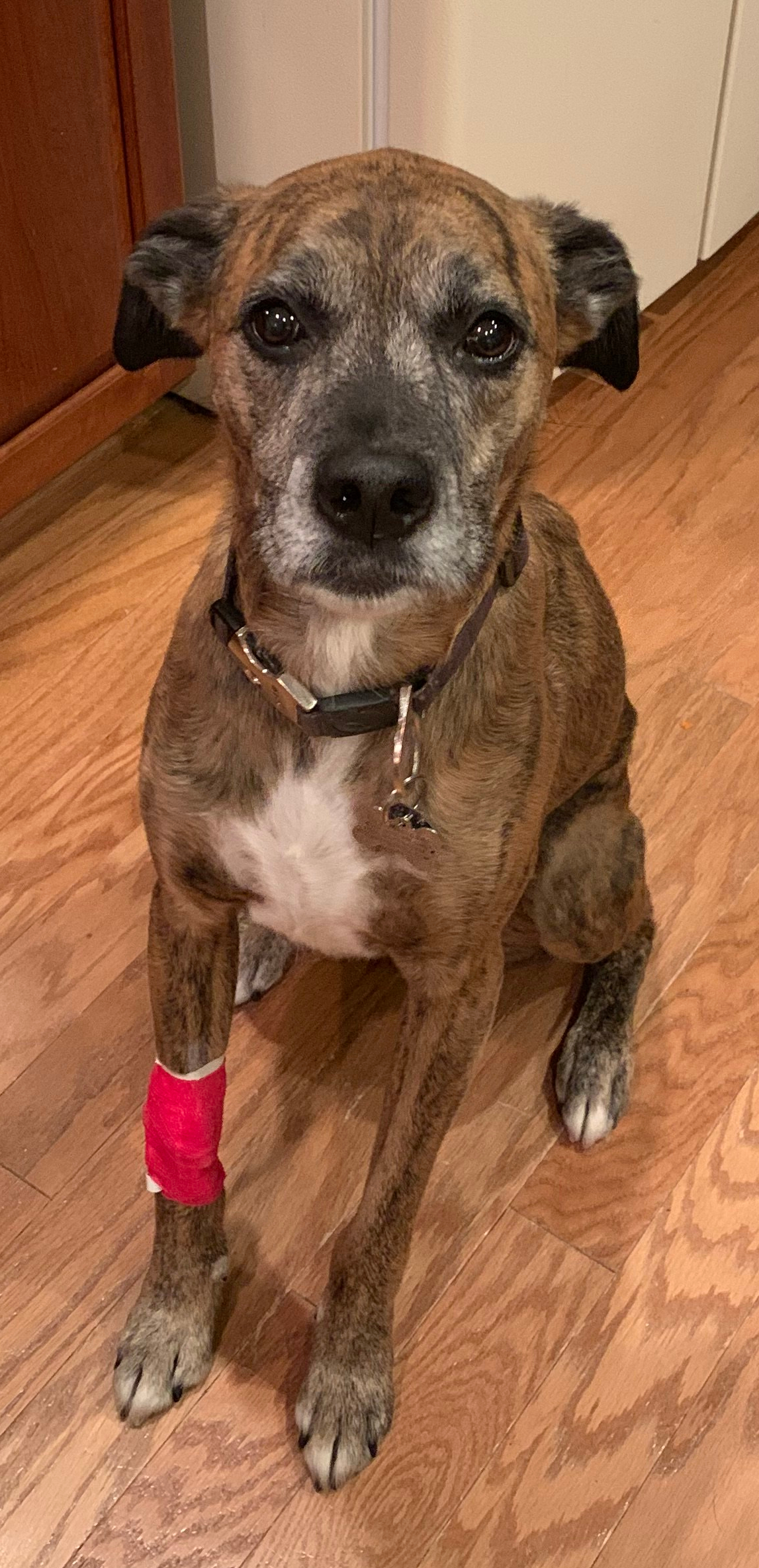
Fig is an 8-year old, brindle mutt with some boxer, Pitt Bull and who knows what else is in him.ย  He is high energy, perpetually happy, expressive, a lover, and sometimes a bit mischievous.ย  Fig along with his older companion Dora (15) were added benefits of having Kris Chiappa come into my life.ย  These two awesome dogs provided much needed emotional support (and hiking buddies) for Kris as she cared for her late husband, Dave Chiappa during the toughest times of his declining health.ย  There are a few characteristics everyone notices about Fig.ย  First, is how enthusiastically he wags his tail.ย  Actually, his whole back end wags when heโ€™s happy.ย  He’s quite expressive and you cannot help but smile when you get a โ€œFig butt wag greeting.โ€ย  Secondly, when his is excited (like greeting people at the door), he always runs to a grab a toy or a nylon bone to carry in his mouth.

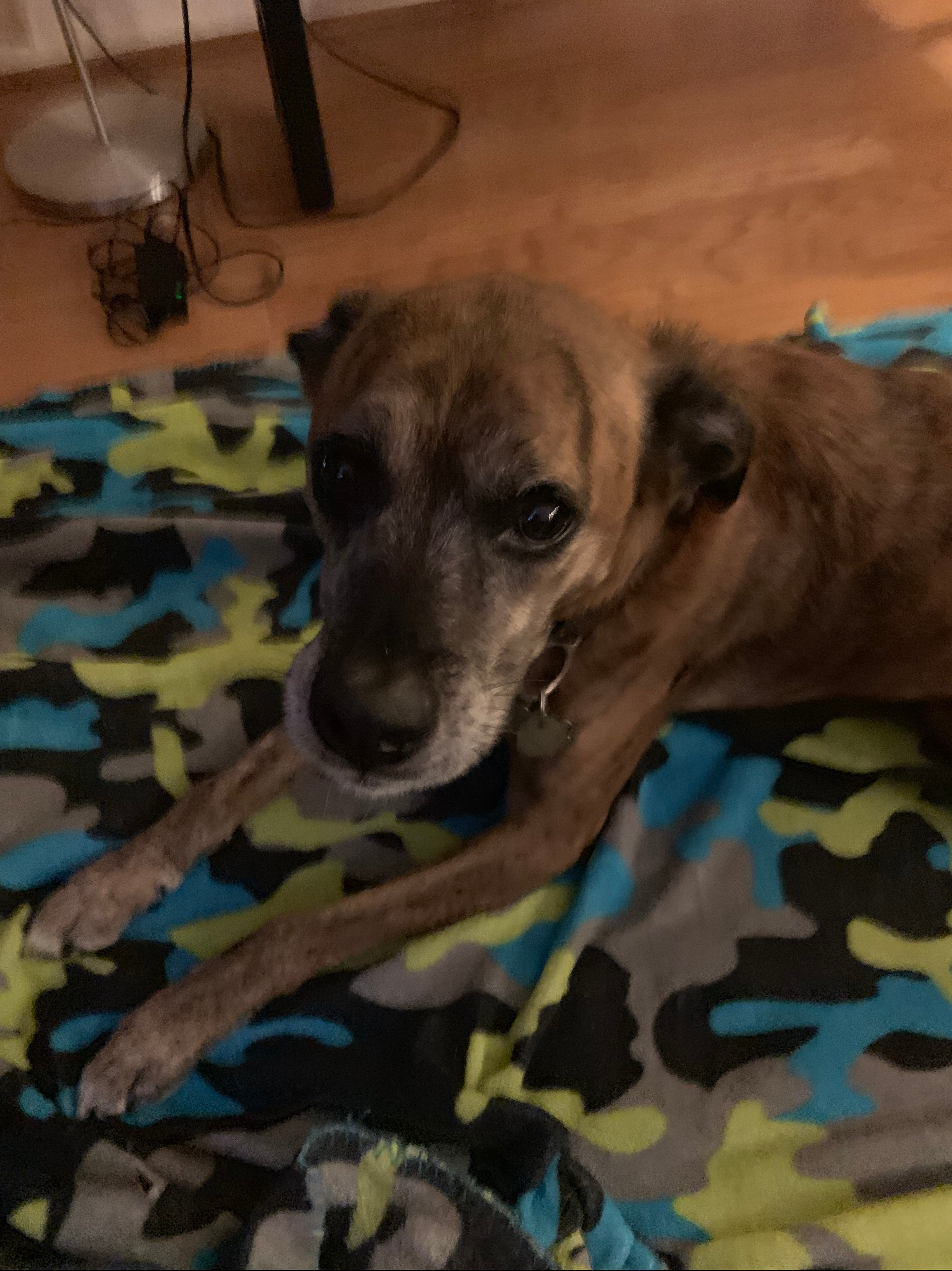
Fig loves to snuggle!

TUESDAY JANUARY 22 โ€“ FIG GOES ON A SUICIDE MISSION

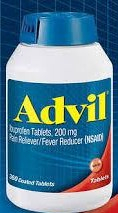
It was a Tuesday night, Kris and I were out for the evening.ย  Fig had a lot of pent up energy because it was incredibly cold and wet for several days and he didnโ€™t get his advilusual walks.ย  While we were out, Fig dragged my work backpack into the living room, unzipped a compartment, grabbed a bottle of Advil, somehow removed the childproof cap, and consumed an unknown quantity of Advil pills (probably around 10).ย Kris and I realized something was wrong shortly after we got home when Fig puked up a full meal and more. ย Advil tablets have a sweet coating which obviously appealed to Fig.ย  However, Advil is extremely toxic for dogs.ย  Itโ€™s also designed to absorb very quickly into the blood stream.
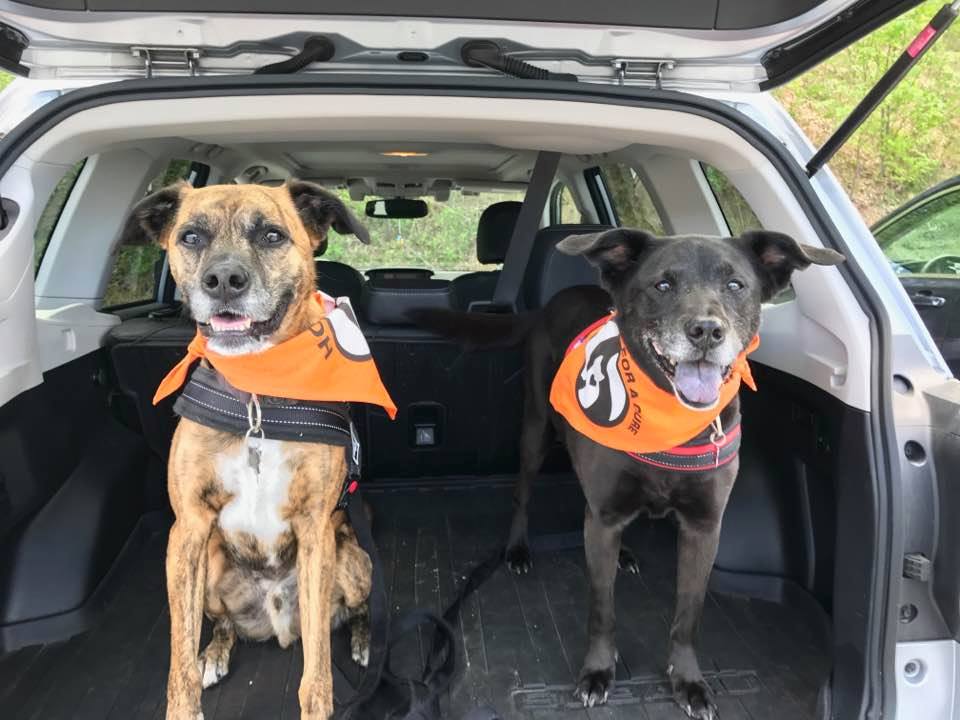
figcar
Fig and Dora

WEDNESDAY THRU FRIDAY – LUDWIGS CORNER VETERINARY CLINIC

Fig obviously was in distress.ย  We rushed him to Ludwigs Corner Veterinary Hospital (LCVH) first thing on Wednesday morning and he went into emergency care mode under the supervision of the amazing Dr. Heather Clauser.

img_0113
Blood work on Tuesday

She took baseline blood work.ย  Figโ€™s Serum Creatinine level was 1.9 (normal level is 0.3 โ€“ 1.4).ย  His Blood Urea Nitrogen (BUN) level was 17 (normal level is 7-25).ย  It was concerning but didnโ€™t seem horrible.ย  I canceled my business trip to Texas on Wednesday to be with Fig.ย  Fig seemed like heโ€™d be ok, so Kris flew on her scheduled trip to Seattle Wednesday evening to help care for her newborn twin granddaughters.

Fig was a full day resident at LCVH for 3 days.ย  He was mainly in a crate getting IV fluids non-stop to flush the toxins out of him.ย  The staff at LCVH loved Fig because despite his obvious distress, he wagged his tail and enthusiastically greeted everyone that came by his crate. He had 12 hours of IV fluids on Wednesday, 12 hours on Thursday, and 10 hours on Friday.ย  Each night he came home with me which helped comfort Fig.ย  However, he wouldnโ€™t eat and was lethargic.ย  They did another blood test on Friday evening to measure Figโ€™s progress.

FRIDAY EVENING โ€“ HORRIBLE NEWS

I went to get Fig Friday evening (I brought Dora with me), the staff at LCVH all had sad faces and brought me into a private room and informed me that Dr. Clauser will be in to see me in a minute.ย  I knew that was not good.

Dr. Clauser walked in to the exam room with a very solemn face. She tactfully informed me that the lastest blood test was not good, in fact, really bad.ย  Figโ€™s Serum Creatinine level was 4.4 (4x the normal range) and his BUN was 63 (4x the normal range).ย  ย Basically, Fig was in kidney failure with less than 25% kidney function and he was probably going to die sooner than later.ย  Devasting news.

img_0113
The CRE and BUN are off the charts, indicating Fig is in kidney failure

I was numb at first, in disbelief.ย  I wave of sadness came over me as the horrible news sunk in.ย  Plus, the prognosis was that Fig will probably need to be put down pretty soon. ย Dr. Clauser shared some tears with me.ย  She reminded me how she and the staff at LCVH just love Fig and his awesome personality.ย  She said, itโ€™s not likely he will recover, but thereโ€™s always hope.ย  Sheโ€™s seen some amazing recoveries on rare occasions.ย  She said I should try to continue Figโ€™s care at home for as long as he is comfortable. ย Dr. Clauser then showed me how to administer Bolus fluids by inserting a needle into Fig every day.ย  She sent me home with several Bolus bags plus some medications to help with nausea, stomach pain, and acid reflux. ย ย ย I knew I could not let him suffer and I figured this is the start of Figโ€™s hospice care.ย  ย I was still in shock as I paid my bill.ย  Then the grief hit me like a tidal wave as Fig and Dora jumped into the back of our SUV.ย  Plus, I knew I had to make a really difficult call.

I got in the car and called Kris in Seattle informing her that Fig is dying.ย  One of the hardest things I ever had to do.ย  We cried together and just tried to process what this all meant and how in an instant, our world was rocked.ย  Not only was I grieving, but I also felt guilty for leaving my backpack accessible to the dogs.ย  Kris was considering flying back home, but we agreed that thereโ€™s not much she could do and until Figโ€™s condition really changed for the worse, she was needed in Seattle to help care for the granddaughters.ย  I sent messages to friends and family informing them of our devasting news.ย  I was home alone with the two dogs; Fig was dying and wouldnโ€™t eat and Dora was wondering why Fig was getting all the attention.

FRIDAY NIGHT – HOME CARE / HOSPICE BEGINS FOR FIG

Friday night was rough.ย  Fig, Dora, and I came home to our empty house and cuddled on the couch. ย I was grieving. Fig was not eating and lethargic.ย  My daughter Laura and her husband Ray stopped by late in the evening to check on me and to see Fig.ย  ย I might have slept 2 hours, I mostly cried.ย  I felt bad, I felt even worse for Fig and for Kris.ย  Fig unfortunately seemed to be getting incontinent because he wet his bed overnight.

img_0064
Fig on Wednesday night. He has a catheter on his leg so LCVH can continue getting hisย  IV on Thursday. Fig was still wagging his tail but not himself.

SATURDAY โ€“ THE VILLAGE ARRIVES!

I was overwhelmed with the amount of compassion, offers to help and outright love from my circle of friends and family.ย  I was getting calls, emails, text messages, and house visits from so many people. ย ย My sister, Jodi Floyd mentioned the BEMER Therapy Mat has shown to be helpful with kidney issues.ย  She also informed me that my ex-wife, Christa Saltzman has a BEMER mat (more on that to follow).ย  I called Christa and she was happy to try the BEMER with Fig.ย  I called Dr. Clauser and she encouraged me to try it too.ย  Linda Helmbrecht, owner of the Dog Walking business I use to walk my dogs when Iโ€™m at work called and said she and her staff love Fig and wanted to volunteer their time if I ever need a break or some pet care coverage.ย  My awesome neighbors and good friends Linda Kinsley and MJ Dougherty were there for me and willing to help in any way possible. Kris and I talked and texted continuously which helped too.

Saturday morning was a blur as I was sad and exhausted. ย Fig didnโ€™t want to eat much of anything (despite trying all sorts of things).ย  I made some boiled organic chicken breast (recommended by vet) and he ate some of that.ย  I had a good wrestling match with Fig, trying to get his meds consumed.ย  I eventually won and Fig quickly forgave me. ย Kris and her daughter Joanna did research on holistic treatments.ย  So the dogs and I took a ride to visit Lionville Holistic Pharmacy.ย  Mike the Pharmacist was so helpful.ย  After discussing the situation, he recommended a supplement for kidney health that I bought and then he gave me an open bottle of Sonneโ€™s Detoxificant #7 to try.ย  Itโ€™s a thick liquid that when consumed is supposed to help absorb toxins.ย  I had a healthy collection of prescription and holistic meds to administer at home:

After spending a lot of time talking and reviewing research with Mike, the dogs and I went to Christaโ€™s house to see if the BEMER might help Fig.ย  I read about it on the Internet and a few sites indicated good results, but nothing scientific.ย  The following links provide some information on the BEMER Therapy Matt:

Christa set the BEMER to the lowest setting (1 out of 10) and we had Fig lay on it.ย  He must have felt something good, because he just wagged his tail the entire 8 minutes that BEMER was running.ย  Protocol is two treatments per day.ย  ย We came home after the first treatment.ย  Fig had good energy but didnโ€™t eat much or was finicky.ย  On the way home, I went to PetSmart to buy doggie diapers and I picked up some more boneless organic chicken breasts at Wegmans.ย  ย ย I boiled the breasts and made white rice.ย  Much to shock, Fig was really hungry and ate two whole chicken breasts, plus a little bit of rice.ย  Christa let Fig try a few samples of the dry food her dog, Bruce eats, Eukanuba Senior.ย  Fig loved it and wanted as much as she would give him. ย She also sent me home with a few servings of the food that I could use for treats.ย  Fig seemed more energetic.ย  I gave him Bolus fluids when we got home.ย  Turns out, Fig is a great patient.ย  He just sat on the couch leaning against me as I stuck the needle in his back and wagged his tail until ยฝ the bag was under his skin. It ends up in collecting in a big pouch under his chest โ€“ looks pretty funny.

img_0120
Fig laying on the BEMER mat – on a blanket to keep the dog hairs off it.

Fig was now drinking filtered water non-stop, peeing hourly, and had chronic diarrhea. Saturday for dinner, Fig had an appetite โ€“ a good sign.ย  He ate a whole chicken breast and ยฝ serving of his usual dry food.ย  Later Saturday night we made the 30-minute drive back to Christaโ€™s for another BEMER treatment (Level 2).ย  Fig still loved it.ย  Then we drove home to settle in for the night.ย  Fig was happy and a little more energetic.ย  We went to bed about 10pm.ย  I put a diaper on Fig but he is like Houdini and got out of it without me knowing or hearing him.ย  He woke me up at 2am and then again at 4:15AM to go pee.ย  ย At the 4:15 wake-up, I noticed he did leave a pee spot on his bed.

SUNDAY โ€“ THINGS ARE LOOKING A LITTLE BETTER

Fig had some appetite and ate 4 scrambled eggs!ย  A good sign. Plus, I could hide his meds in the eggs and avoid the battles. ย He was still peeing every few hours and had more chronic diarrhea. Sunday morning, I drove Fig and Dora for 30 minutes to Christaโ€™s so Fig could get his 3rd BEMER treatment.ย  Christa increased the BEMER level to 3.ย  Fig still seemed to love it.ย ย  Dora decided to lay on the mat too, and she seemed to like it.

I came home in the early afternoon. Fig seemed more energetic but his bodily functions had not improved.ย  I gave him his Bolus fluids.

Dr. Clauser called me to check on Fig and because I needed more Bolus bags and meds for Fig.ย  She was absolutely delighted and amazed at Figโ€™s progress and arranged to have everything ready for me to pick up that afternoon.ย  The dogs and I drove back to LCVH to get the meds for Fig.ย  I made an appointment for the following week to bring Fig back for a checkup and new blood work.ย  I am so hoping it will show dramatic improvement!ย  We stopped at Acme on the way home to buy more organic chicken and eggs.ย  When I got home, we all crashed on the couch until dinner time.

Then came dinner and OMG โ€“ Fig ate two whole chicken breasts, rice, cucumber, red pepper, and some of his dry food.ย  Then he tried to steal Doraโ€™s food.ย  I figured that was encouraging, but his incessant peeing and diarrhea were still indications of kidney problems.ย  We took a two-mile night time walk around the neighborhood.ย  I was crying for a lot of the walk thinking about how much Iโ€™d miss Fig and our daily walks.ย  We then took an 8pm ride to Christaโ€™s for his 4th BEMER treatment.ย  Fig just lays on the mat, wags his tail and leans his head against me for the entire 8-minute treatment.ย  Then in an incredible gesture of kindness, Christa taught me to use the BEMER and let me bring it home with me.ย  Iโ€™m so very grateful.

Sunday night, we went to bed around 10:15.ย  Fig woke me up at 1:15AM to pee.ย  We went right back to sleep right after and he slept (without a diaper) until 4:15 and had no accidents.

img_0077
Fig getting his home Bolus fluids. He was very cooperative, unlike trying to get him to take his other meds (unless hidden in a piece of chicken or cheese)

MONDAY โ€“ PROGRESS SEEMS TO BE CONTINUING

I gave Fig a BEMER treatment at 6AM.ย  At 6:30, I fed Fig breakfast.ย  He was ravenous.ย  He ate 4 scrambled eggs and ยฝ a chicken breast and wanted more food.ย  I appreciate it, because I continue to hide his meds in the food.ย  I gave him his morning fluids and worked from home.ย  Laurie Curl, our dog sitter when Iโ€™m out of town, came over and watched the dogs, walked them, and let Fig out to go pee and poop hourly so I could focus on work.ย  I gave Fig a 2nd BEMER treatment around 2PM and went back to work.ย  Laurie was his personal doorperson and walker.ย  It started snowing so Fig left quite a few slightly yellow marks in the back yard.

Monday for dinner, Fig ate a chicken breast plus his normal dry food meal, some cucumbers and some rice.ย  He still was peeing and pooping nonstop.ย  He isnโ€™t showing the other common symptoms of kidney failure (vomiting, loss of appetite, fatigue, depression) so I have hope. ย ย He had his 3rd BEMER treatment of the day at 9:30PM.ย  We went to bed at 10:30PM.ย  Fig woke me up at 2:30AM.ย  No accidents!ย  He peed and we went back to sleep until 6AM when my alarm went off. No accidents!ย  3.5 hours without peeingโ€ฆPROGRESS!

TUESDAY

Fig ate his normal breakfast plus two scrambled eggs.ย  I gave him a BEMER treatment and his IV and by 8AM I was ready to go to work at my office in Conshohocken.ย  I actually felt ok going to work in since Laurie Curl was caring for the dogs at the house.ย  Fig still peed frequently and had diarrhea, but he sustained his amazing appetite.ย  I continued to give him his meds and BEMER.

WEDNESDAY ANDย THURSDAY

Fig is eating like a champ.ย  Both nights, he slept almost 4 hours without peeing which is his best performance since the incident.ย  On Thursday, his chronic diarrhea also ended ๐Ÿ™‚ย  PROGRESS!!!!!

SUMMARY – NEXT MILESTONE IS FEBRUARY 7TH

I am cautiously optimistic that Fig will recover and regain more kidney function. Time will tell.ย  I don’t know if his improvement is due to the BEMER, the meds, the holistic supplements, Fig’s spunk, or some combination of all these factors.ย  On Thursday, February 7th, Fig visits Dr. Clauser for a checkup and new blood work.

Last Friday, I seriously thought Fig would not even be with us on February 7th.ย  Keep it up Fig!ย ย  I am so grateful for all the love, support, and help that has come my way.ย  So are Kris and especially Fig!

UPDATE – APRIL (It’s all good!)

I am pleased to update everyone that Fig has fully recovered and is back to his usual, highly energetic ways.ย  His blood tests all came back normal though he is a little low on electrolytes.ย  He is sleeping through the night with no accidents and can last 5-6 hours during the day without needing to pee.ย  Probably the only obvious lingering symptom is he has more grey on his face.ย  Our vet was absolutely amazed and delighted that Fig pulled through so well.ย  So am I.

Epilog

Fig fully recovered from his kidney failure.ย  About 4 years after the Advil incident, Fig was diagnosed with an inoperable and very large, non-malignant tumor in his nasal passage that was severely obstructing his breathing.ย  His treatment was weeks of radiation therapy and it appeared to wipe out the tumor, though it took a lot out of Fig.ย  Fig was 11 years-old and it took him several months to recover to his normal energy level.ย  The following 6 months were awesome and uneventful.ย  Then on a routine vet check, they discovered Fig had a large, malignant anal tumor and it was essentially inoperable.ย  We knew he only had 2-3 months left (until the tumor blocked his ability to poop), so we spoiled him and loved him as much as possible.

Fig took his final trip to the vet on July 2, 2023 and died peacefully while Kris and I were holding him. He was happy, energetic and enthusiastic right up until the end and we are glad he didnโ€™t seem to suffer, despite his terminal cancer.ย  Rest in Peace Fig.ย  I will never forget you!

No photo description available.


2 responses to “Fig the Wonder Dog and the Village that May Have Saved His Life!”

  1. Judy Hendrickson Avatar

    Dan, Iโ€™m bawling over here, and smiling at the same time. What an amazing daddy you are, and a warrior for this sweetest, precious doggie Fig, of yours!! Prayers for Figโ€™s continued positive progress, and keep us posted, ok? Iโ€™m sending prayers, Reiki and much love!!! Judy Hendrickson

    Like

Leave a comment


Better Brain Health to Find Inner Peace

FINDING INNER PEACE

Have you ever been around certain people that just seem to have inner peace?ย  Those with Inner Peace (IP) exude good energy.ย  IP’ers are the kind of people you just want to be around because they just have a way of making those in their presence feel better.ย  They live their life withย  purpose, humility, grace, and gratitude.ย  IP’ers always seem to be content in the moment, not overly concerned about what happened or what might happen.ย  They efficiently work through each day and have a way of bringing out the best in those around them. They own their happiness and won’t let the actions of others or negative circumstances change how they feel about themselves.ย  They treat everyone with kindness and respect.ย  ย IP’ers are strong in their convictions, but respectful of other opinions.ย  ย Perhaps I cannot really explain it well, but I know it when I see it in certain people and I feel lucky when I can be in their presence.

Iโ€™m not sure if Iโ€™ll ever achieve that level of Inner Peace.ย  I know I cannot achieve Inner Peace until I learn to calm my very overactive brain.ย  Iโ€™m grateful for what I am learning on my journey.

SHIFTING PERSPECTIVE
BY CALMING MY OVERACTIVE BRAIN

busy brain wide
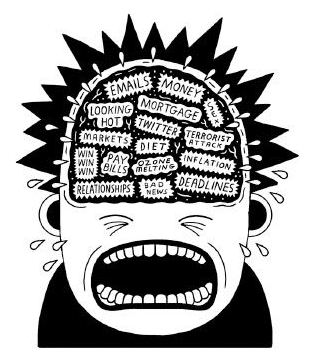
Brain at 3AM: “I can see you’re trying to sleep, so I would like to offer you a selection of every memory, unresolved issue, or things you should have said or done today as well as in the past 40 years!”

I have a long way to go, but I am working on finding greater Inner Peace.ย  I think Inner Peace can be achieved when you choose not to allow another person or event to control your emotions (not even Donald Trump!).ย  That’s not easy with my very active, ADD brain that’s constantly running on overdrive, or what I refer to as my “Brain Swirl”.ย  I’m working on a mind shift to circumvent the stress, agitation, and anxiety that feed my Brain Swirl. Inner Peace requires a change in how I think and process challenging situations and generally cope with everyday life. Iโ€™ve always felt that once I achieve some specific goal, then Iโ€™ll find some inner peace. Now Iโ€™m realizing I had it backwards. If I can find inner peace first, I can shed myself of the brain swirl and not be dependent upon outside factors to find contentment. I recently read the book, The Untethered Soul by Michael A. Singer. In his book, he explains how you can learn to be comfortable with observing, but not participating in the brain swirl. A common analogy is thinking of all that brain swirl like a raging river. If caught up in your thoughts, itโ€™s like trying to swim in the raging river or struggling to stay above water. Now, imagine you are standing beside the river and can observe what going on. The swirl is still there, but you are separated from it. One paragraph cannot explain this concept, so please go read the book. Learning to observe and not swim in the river is a Herculean task for me and I am a total neophyte. But, I know itโ€™s possible.

raging river
It’s better to observe the rapids when you are not in the water!

As a person dealing with ADD tendencies, my mind is constantly swirling. Staying mindfully focused and present is not a natural skill for me. It requires a very cognitive effort on my part. In conversations, I can be easily distracted or I may unintentionally interrupt someone. I donโ€™t mean to be rude. What happens is that my own seemingly brilliant thoughts continuously pop into my head and then miraculously jump out of my mouth in the middle of a conversation.ย LOOK Aย SQUIRREL!

squirrel1
Inner Peace also means not wasting energy on past mistakes or circumstances (things I cannot change) or fearing the future. Iโ€™m working on it and Iโ€™m actually really proud of my progress, but even with the best of intentions, I fail often.

Busy Brain 3
Often I think there are too many tabs open in my brain!

Over the past few months, Iโ€™ve been focusing on improving myself physically and mentally. I am grateful to have Kris in my life. She and I encourage and push each other to exercise our bodies and minds.ย  We get physical exercise every day.ย  We we have taken โ€œgentleโ€ yoga classes, and we each meditate daily.ย  This shift in lifestyle has been transformational for me personally.ย  Not only am I getting into better shape physically, I am also getting into better shape mentally. I am improving my ability to calm my overactive brain and to be more mindful and present.ย  I’ve seen and felt what’s possible. I cherish those glorious moments when I am able to step outside of the swirl, observe it, but not participate in it.ย  In those moments, I find perspective, gratitude, and a wonderful taste of what it would feel like to truly achieve inner peace.

Perhaps the best measure of my progress is that now I am able to fall asleep within 10-15 minutes from when I turn the lights off, (almost all the time).ย  Not that long ago, if I was not absolutely drop-dead exhausted, I would toss and turn for hours before I finally fell asleep.

I welcome your thoughts and feedback.


Ooh La La – Life Lessons from Nick Foles

Ooh La La – โ€œI wish that I knew what I know now, when I was younger.โ€ Actually, I wish I knew what Nick Foles already knows when I was his age (29).ย  A month after the Philadelphia Eagles won the 2018 Super Bowl, I still am amazed by his insights in a press conference the day after the Super Bowl.

Foles2
Nick was the Eagleโ€™s backup quarterback and had not played all season. Carson Wentz, the Eagleโ€™s starting quarterback and likely league MVP, finally gave Philly fans reason to believe a championshipย was possibleโ€ฆuntil he had a devastating, season-ending injury.ย  Pretty much everyone figured the Eagleโ€™s season was doomed without Wentz. All the โ€œpunditsโ€ and most of us diehard fans felt the Eagles had no chance of even winning a playoff game and forget aboutย getting to the Super Bowl.ย  But Foles was absolutely amazing!ย  The Eagles were underdogs in all 3 playoff games, but Foles was pretty much perfect.ย  The season ended with an amazing Super Bowl victory over the New England Patriots.ย  Foles’ postseason was one of the greatest in NFL history. He completed 72.6 percent of his passes (2nd highest ever) and was the Super Bowl MVP.

THE WISDOM OF NICK FOLES:

Reuben Frank (reporter) asked Nick, โ€œWhat he wants people to take from his journey, โ€ฆ from being unwanted by three teams to standing there with NFL commissioner Roger Goodell posing for pictures with the Super Bowl MVP trophy.โ€ย  Folesโ€™ responded, โ€œI think the big thing is don’t be afraid to fail.ย  I think in our society today, Instagram, Twitter, it’s a highlight reel, it’s all the good things. And then when you look at it, when you think like, wow, when you have a rough day, ‘My life’s not as good as that,’ (you think) you’re failing.ย  Failure is a part of life. It’s a part of building character and growing. Without failure, who would you be? I wouldn’t be up here if I hadn’t fallen thousands of times.ย  Iโ€™ve made mistakes. We all are human, we all have weaknesses, and I think throughout this, (it’s been important) to be able to share that and be transparent. I know when I listen to people speak and they share their weaknesses, I’m listening. Because (it) resonates. So I’m not perfect. I’m not Superman. I might be in the NFL, I might have just won a Super Bowl, but, hey, we still have daily struggles, I still have daily struggles. And that’s where my faith comes in, that’s where my family comes in. I think when you look at a struggle in your life, just know that’s just an opportunity for your character to grow. And that’s just been the message. Simple. If something’s going on in your life and you’re struggling, embrace it, because you’re growing.” WOW!!!ย [Watch Nick Foles respond:ย https://www.youtube.com/watch?v=PZeAcWhCrls].ย  I think that is pretty amazing insight and very meaningful to me.ย  I sure wish I had that wisdom when I was 29.

DOVE
Even in the most difficult situations, you can find gratitude (See related blog).ย  This message keeps popping up in my life, like the universe is talking to me.ย  Even a Dove chocolateย candy wrapper was speaking to me recently.

JUST BECAUSE LIFE ISNโ€™T FAIR DOESNโ€™T MEAN IT ISNโ€™T GOOD!

delusion.jpg

Adversity provides an opportunity to build character, to grow, to learn, and to have pride when you work through it. ย We all know, life isnโ€™t fair and some people have many more hardships and daily struggles than others.ย  Using the wisdom of Foles, “Embrace your adversity!”ย  That is not always easy when you are feeling like your life is a sh&t storm. The key is to take ownership for your circumstances rather than choosing to feel like a victim.ย  Your situation may not be your fault, but itโ€™s up to you to find your way out of it.ย  And working through adversity is where we gain insight, perspective and meaning in life.

So, making myself a little vulnerable, Iโ€™m dealing with some adversity now.ย  Several months ago, my work situation changed.ย  I was in a very challenging role as a VP of Professional Services at a software company.ย  However, for a variety of reasons, it was time to move on.ย  I had a great run, met some wonderful colleagues, learned, grew and Iโ€™m truly grateful for the time I spent there.ย  But, I was also happy and ready to move on and quite confident I would land a great new permanent position fairly quickly.ย  I am taking on contract work for now, but I would prefer to find a leadership role at a good company.ย  I havenโ€™t lost my confidence or optimism, but finding the right opportunity is taking longer than I expected.ย  However, per the advice of Nick Foles, I am โ€œembracingโ€ this situation. During this journey, I’ve learnedย a lot. In addition to patience (not my best virtue), I’ve learned that I have so many reasons to be grateful, including:

combinew.png

  • I have a wonderful network of friends and former colleagues who have been supportive and helpful.
  • I’ve made time to exercise, practice yoga, and meditate. Iโ€™m in great health, probably the best shape Iโ€™ve been in since my 30โ€™s.
  • Regular exercise, yoga and meditation have given meย tools to help calm my very active mind, be more present and mindful.
  • I have a fantastic family that gives me great pride.
  • I live with Kris Chiappa – she rocks my world.
  • I am happy and feeling very confident.
  • I know it will be ok in the end, and if itโ€™s not ok, itโ€™s not the end!

When I do land my next awesome career position, I will benefit from this journey and be even more motivated, insightful and positive than ever, and probably a little more humble too. This experience has helped me better understand whatโ€™s important to me inย my next job.ย  My priorities are as follows:

  1. The company must be a good cultural fit. For me, that implies a highly collaborative environment, smart & friendly colleagues, ethical business practices, and products & services I believe in.ย ย I want to work where everyone has an opportunity to shine.ย  I donโ€™t care who gets credit, I want the company to win!
  2. I need to be in a role that is challenging and interesting where I can continue to learn and grow.
  3. I need to be in a role where I am tangibly adding value for my company by effectively serving my customers and colleagues.ย  I also desire a role where my skills and experience will be appreciated and I can contribute to the success of the company in ways not strictly confined to my job description.
  4. I need to feel appreciated for my contributions to the growth and success of the company.
  5. I expect to be compensated fairly.

I welcome your feedback.

Dan

ย 


2 responses to “Ooh La La – Life Lessons from Nick Foles”

  1. Claudia Brozda Avatar
    Claudia Brozda

    I love your writing! I truly believe you are an awesome writer! Keep your insights and thoughts coming, Iโ€™m your biggest fan!

    Liked by 1 person

  2. Bernadette Avatar
    Bernadette

    Awesome insights! Remember you are only a single drop in the sea of humanity but even a drop can make a wave. Find your passion and go for it.

    Liked by 1 person

Leave a comment


Leave a comment

2 responses to “Ooh La La – Life Lessons from Nick Foles”

  1. Claudia Brozda Avatar
    Claudia Brozda

    I love your writing! I truly believe you are an awesome writer! Keep your insights and thoughts coming, Iโ€™m your biggest fan!

    Liked by 1 person

  2. Bernadette Avatar
    Bernadette

    Awesome insights! Remember you are only a single drop in the sea of humanity but even a drop can make a wave. Find your passion and go for it.

    Liked by 1 person


POLITICS OR “AS THE PROCESS TICKS?”

How the philosophy of W. Edwards Deming can be applicable to the current political climate in the United States?

Please bear with me as I need to provide a little context to make my pointโ€ฆ

Earlier in my career, I got involved in the Total Quality Management (TQM) movement and had the privilege to attend a W. Edwards Deming seminar (https://en.wikipedia.org/wiki/W._Edwards_Deming) just a few years before he passed away.ย  One message he constantly reinforced was, โ€œthe system that people work in and the interaction with people may account for 90 or 95 percent of performance.โ€ย  The basic premise is that performance is only as good as the process enables and a lot of organizational inefficiency is because managers donโ€™t understand the capabilities of key business processes and how they impact organizational performance.

What went wrong with the process and what can be done to improve it?ย ย 

Per Deming, leaders should start addressing issues by asking the above question when things go wrong (e.g., service failures).ย  Too often, the first question is, โ€œWho screwed up?โ€.ย  ย ย Letโ€™s explore an example of how not understanding process capabilities can lead to inefficient management:

Two Level Expense Report Approval โ€“ One company I worked for instituted a new policy that all expense reports must have two levels of management approval before they can be submitted to Accounting for reimbursement. The policy was created because an employee was caught cheating and too many expense reports had mistakes. Perhaps the policy did improve scrutiny and provided a deterrent for cheaters, but the primary impact was that it significantly lengthened the time for employees to get expenses reimbursed and distracted senior managers from more important tasks. I met with the CEO who instituted that policy and asked him, โ€œWhat percentage of employees do you think cheat or make mistakes on an expense report that their primary manager or Accounting would not catch?โ€ย  We both agreed it was less than 5%.ย  Then I asked, โ€œWhatโ€™s the cost of all the time 2nd level managers must spend reviewing expense reports?ย  Whatโ€™s the cost of employee frustration due to delays in reimbursement?ย  How do the additional costs compare to the potential savings that may be realized by eliminating 2nd level approval?โ€ ย We agreed to do some analysis of rejected exdemingpense reports at the 2nd level of approval.ย The data showed it was minimal, mostly honest mistakes and likely to be caught by Accounting.ย  Eventually, the 2nd level approval policy was eliminated (though it required a promise of publicly flogging anyone caught cheating!).

With this example, a special cause (mistakes or deliberate cheating) was treated like common cause.ย  Essentially, 95% of the organization was being penalized for the mistakes or deliberate cheating of 5%.

WHAT DOES DEMINGโ€™S PHILOSOPHY HAVE TO DO WITH POLITICS?

One of the prominent political issues getting a lot of attention is the cost of entitlements, like Medicaid.ย  Recently, elected officials from many states have pushed for tighter restrictions on Medicaid eligibility.ย  For example, The Centers for Medicare and Medicaid Services (CMS) issued a State Medicaid Director Letter providing new guidance for Section 1115 waiver proposals that would impose work requirements (referred to as community engagement) in Medicaid as a condition of eligibility (https://www.kff.org/medicaid/issue-brief/medicaid-and-work-requirements-new-guidance-state-waiver-details-and-key-issues/). HungryThe guidance asserts that such provisions would promote program objectives by helping states โ€œin their efforts to improve Medicaid enrollee health and well-being through incentivizing work and community engagement.โ€ย  Thatโ€™s a very noble intent, but the message in between the lines is that many people are using Medicaid entitlement programs because they donโ€™t want to work.ย  And no doubt, some probably are.

So, letโ€™s go back to the expense report approval scenario where 95% of the people were penalized for the sins of a few and implementing the 2-level approval actually added cost and inconvenience.ย  I think this same scenario can apply to Medicaid eligibility.ย  It would be helpful to analyze some data, but my hypothesis is that implementing new eligibility restrictions will actually cost the government much more money and cause more inconvenience to innocent people.ย  Systems would need to be built to track if/how Medicaid recipients are looking for work and remain compliant.ย  Medicaid clients will have more inconvenience and potential delays receiving much needed benefits.ย  Oversight and compliance reporting will be additional cost.ย  Innocent people will be denied benefits due to unintended system defects.

inconvenient

Do we really know what percentage of the Medicaid population really does try to cheat the system? ย My guess (no hard evidence) is that itโ€™s probably in the 5-10% range.

I volunteer at our local Food Pantry (https://www.honeybrookfoodpantry.org/).ย  The Honey Brook Food Pantry provides a 3-4 day supply of various food items on a monthly basis to neighbors in need within the Honey Brook community. Their mission is to serve them with respect while empowering them toward food security and independence. To be eligible, the families must reside in our township and earn less than 150% of the federal poverty level for their family size.ย ย Many of the clients have serious disabilities and require home deliveries.ย  I noticed that most of the clients at the Honey Brook Food Pantry that can work, do work.ย  Unfortunately, it seems they have very low-paying jobs and often, many mouths to feed. They simply cannot afford good food, housing, transportation, and family care with such low wages. ย Plus, itโ€™s a difficult process forย anyone to figure out how to obtain the benefits for which they are eligible and truly need.ย  I believe more eligibility restrictions would make it even more difficult to obtain needed benefits, penalizing those who need the most help.

Please donโ€™t see this as a political statement. Iโ€™m not aligning with a Democratic or Republican platform.ย  ย Itโ€™s an economic viewpoint.ย  We need to be addressing the root causes of failures and inefficiencies in our government programs, not simply treating the symptoms.ย  ย I think we should be looking to continuously improve the process to provide benefits to those with legitimate needs.ย  In my opinion, adding new restrictions and qualification requirements to key government programs will negatively impact the vast majority of people who need support.ย  It will also add cost and inefficiencies.

I view this issue much like the drug crisis.ย  We are wasting way too much money and public safety by trying to control the supply of drugs.ย  I think the root cause solution is to reduce the demand for drugs.ย  Treat drug use as a medical issue, not a criminal one.ย  As an example, we’ve made great progress over the past years reducing the consumption of cigarettes and the frequency of drinking and driving through awareness campaigns and changing social norms. We will not eliminate all demand (that’s human nature), but we learned from prohibition that trying to control the supply only creates more crime.ย  That’s why prohibition failed.

What do you think?ย  Please share your comments.